🗂️ Page Sections
Use buttons below to navigate
Project Overview
Language Disco is an English learning ecosystem designed to bridge the gap between academic grammar and real-world fluency for the Spanish-speaking market. As the Product Owner, I managed the end-to-end 14-month lifecycle—from TEFL-certified pedagogical research to full-stack technical deployment. The project goal was to disrupt the high-friction, recurring-fee model of traditional academies with a lean, “lifetime-access” library and community hub.
Case Study
My Role
My involvement in this project was in the capacity of the Product Owner and Business Analyst.

The Problem
Traditional English schools often prioritize “teacher hours” (billing) over student mastery. This creates a bureaucratic environment where fundamentals are artificially prolonged, leading to student burnout and financial exhaustion. Furthermore, students lack consistent, low-cost environments to practice real-world communication without ongoing financial penalties or rigid schedules.
The Goal
Design a scalable, low-overhead platform that provides permanent access to a high-quality curriculum. The business goal was to minimize the Total Cost of Ownership (TCO) to offer a competitive one-time purchase price, ensuring the platform remains accessible to students while maintaining high profit margins and long-term educational impact.

Empathize Phase
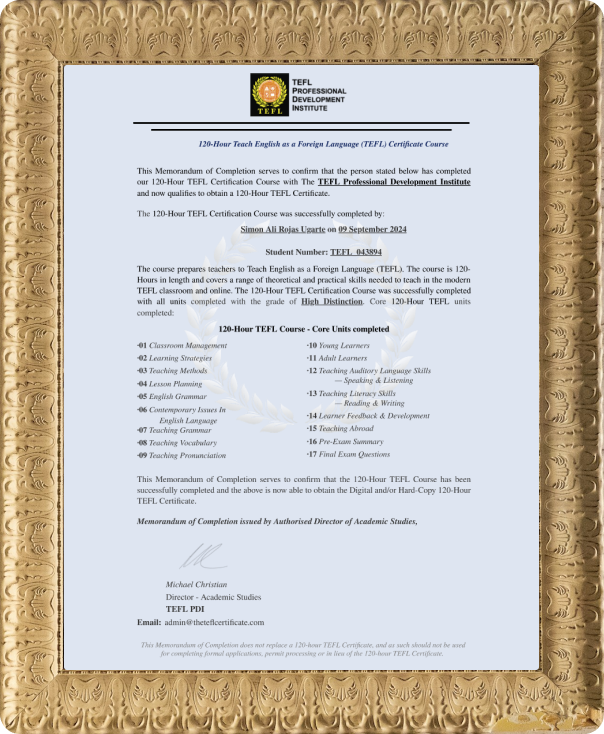
To build a truly viable product, I first had to audit the educational industry from the inside. I obtained a TEFL certificate to analyze pedagogical methodologies and interviewed three distinct cohorts: active teachers, successful learners, and students who had previously “dropped out” of traditional courses.
Through foundational research and competitive audits, I identified that the market was saturated with fragmented tools. Most solutions required students to pay for ongoing classes just to “catch up” on forgotten rules. This insight led to the definition of a methodology focused on pattern-building and permanent resource access, rather than the industry-standard “pay-per-hour” model.

Define Phase
In this stage, I evaluated the research insights to define an MVP that addressed the market gap for affordable, high-retention learning. A critical part of my role as a Business Analyst was conducting a cost-benefit analysis between two technical paths: Moodle and WordPress.

Infrastructure & Cost-Benefit Analysis: My research into Moodle revealed high hidden costs; it requires specialized VPS hosting (approx. $30/mo) and carries high labor costs due to complex, poorly documented backend systems. In contrast, WordPress allowed me to leverage entry-level professional hosting (approx. $4.99/mo).
By choosing WordPress, I reduced projected infrastructure costs by 80%. This strategic decision ensured a higher profit margin and allowed for a “Lifetime Access” price point that traditional academies cannot match due to their high operational overhead.
Furthermore, I optimized the platform’s recurring OpEx (Operating Expenses) by rejecting “SaaS-trap” subscription models:
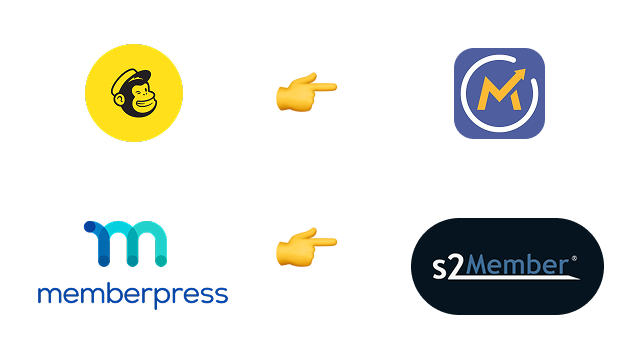
- Marketing Automation: Instead of using Mailchimp—which would cost approximately $240+/year for just 1,000 users and increase as the audience grows—I deployed Mautic. As an open-source solution installed on my own server, Mautic provides professional-grade automation with zero monthly licensing fees.
- User Management: I rejected MemberPress and its $200+ annual renewal fees in favor of s2Member. By making a strategic one-time investment of $189, I secured a robust, community-supported framework with lifetime utility. This single decision shifted a “forever cost” into a capped asset, directly protecting the platform’s profit margins.

Ideate & Prototype Phase
During ideation, I focused on “Strategic Minimalism” to ensure the 14-month delivery timeline was met. I strictly managed the Product Backlog, making critical trade-offs to protect the user experience while maintaining a lean budget.
Backlog Prioritization & Technical Trade-offs:
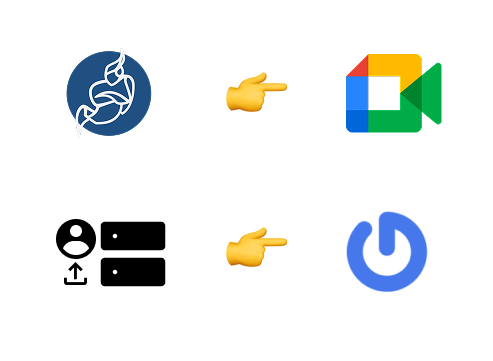
- Video Conferencing: I cut native Jitsi integration (which required a paid API for unique links) in favor of Google Meet to keep student costs down.
- Storage Optimization: To avoid server bloating, I restricted direct file uploads and implemented Gravatar for profile management, saving significant server space and reducing long-term maintenance labor.
Technical Architecture: Moving beyond visual design, I handled the under-the-hood engineering. I personally configured the user management system and integrated a 2FA (Two-Factor Authentication) system. This involved resolving a conflict between the way each of these two systems handled restricting simultaneous login access, which was blocking access to the account.
I also performed the full server-side deployment of Mautic. Using the command line and terminal, I manually configured MariaDB databases and established Cron Jobs to ensure the automated student onboarding flow and email sequences triggered reliably without manual intervention.
Business Analyst Value Add: 3-Year Projection
To put this into perspective for stakeholders, here is the estimated value of these “Lean Infrastructure” decisions over a 3-year growth period:
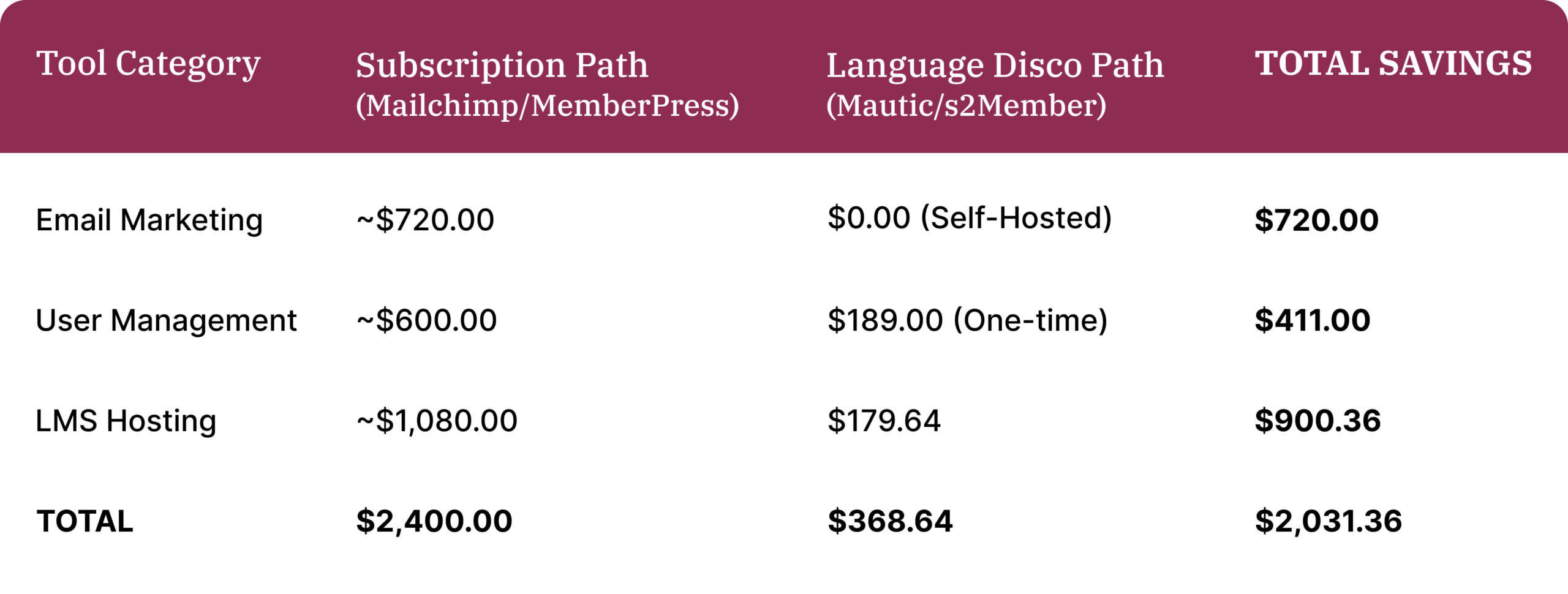
The Result: By acting as both PO and BA, I reduced the 3-year operational cost by 85%. This allows Language Disco to remain profitable with a much lower “break-even” point per student than any traditional competitor.

Test Phase
Language Disco is currently in a “Soft Launch” phase. As a Product Owner, I am moving beyond vanity metrics and focusing on Qualitative Learning Impact. We are conducting usability testing with real users to iterate on the course material and evaluating “Mastery Performance”—measuring how effectively students apply English skills in real-world contexts provided within the Disco Hub.

Building this platform taught me that a Product Owner’s greatest strength is balancing Feasibility (Technical), Viability (Business), and Desirability (User). By optimizing server costs and troubleshooting the back-end personally, I proved that a lean infrastructure can support a high-impact educational mission.

Introduce a lot of visual support materials like pictionaries and flash cards based on themes and functions to assist the learning process, as well as some vocabulary building video lessons also based on English functions.

Iterate on Weekly English: Use soft-launch data to refine the “Weekly English” modules and expand the lexicon library.

Mobile Accessibility: Conduct further usability studies specifically for the 2FA flow on mobile devices to ensure a zero-friction login experience, including building a custom 2FA WordPress plugin using AI tools like Loveable AI, to create a more cohesive experience and solving the mobile usability of the current 2FA implementation.

Introduce an AI avatar for Speaking Practice, with a pay on demand model, for students that want to take advantage of this feature andfeel comfortable with the technology.
Project Showcase
My Account Navigation Buttons
Users navigate to the varioys sections of the platform within their account (Mi cuenta). They can also see details related to their account.






Onboarding Video
Within their account, users can find a fun onboarding video where they will quickly learn about the different secitons of their account page, navigating to the libraries and how to use them, the contact page, the speaking practice page, chat-rooms and supporting materials.
Also, an introduction to Disco Hub, an internal forum for students to connect and coordinate speaking practice via video calls, along with tips for how to use the forum, make the calls, code of conduct, privacy tips and reporting innapropiate behavior.
Video Lessons
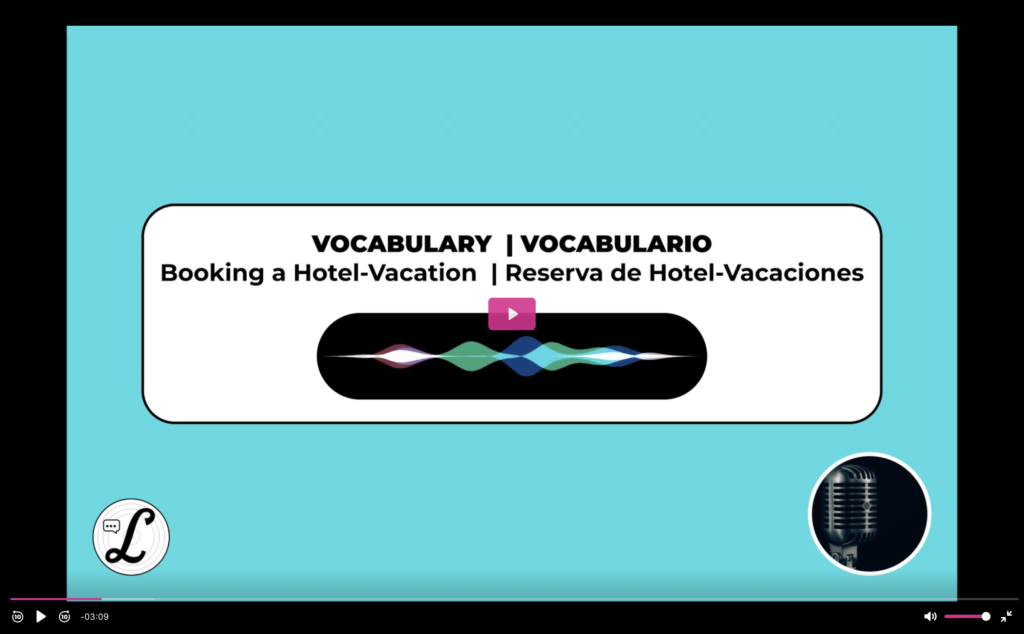
Within the library there is a wide range of videos covering not only Grammar but a lot of Functional Language, and material for students to work on the four skills (Reading, Writing, Speaking and Listening).
Speaking Practice
Within the Speaking Practice section, we have four navegation buttons that link to each of the four pages within Disco Hub, the internal student community for coordinating speaking sessions.

Disco Hub
Disco Hub is a community forum within Language Disco, its function is to bring students together in addition to private Facebook groups, with the goal of coordinating 1 on 1 and Group practice video calls. Socializing and building this community of students is a very key component of Language Disco’s identity and experience.
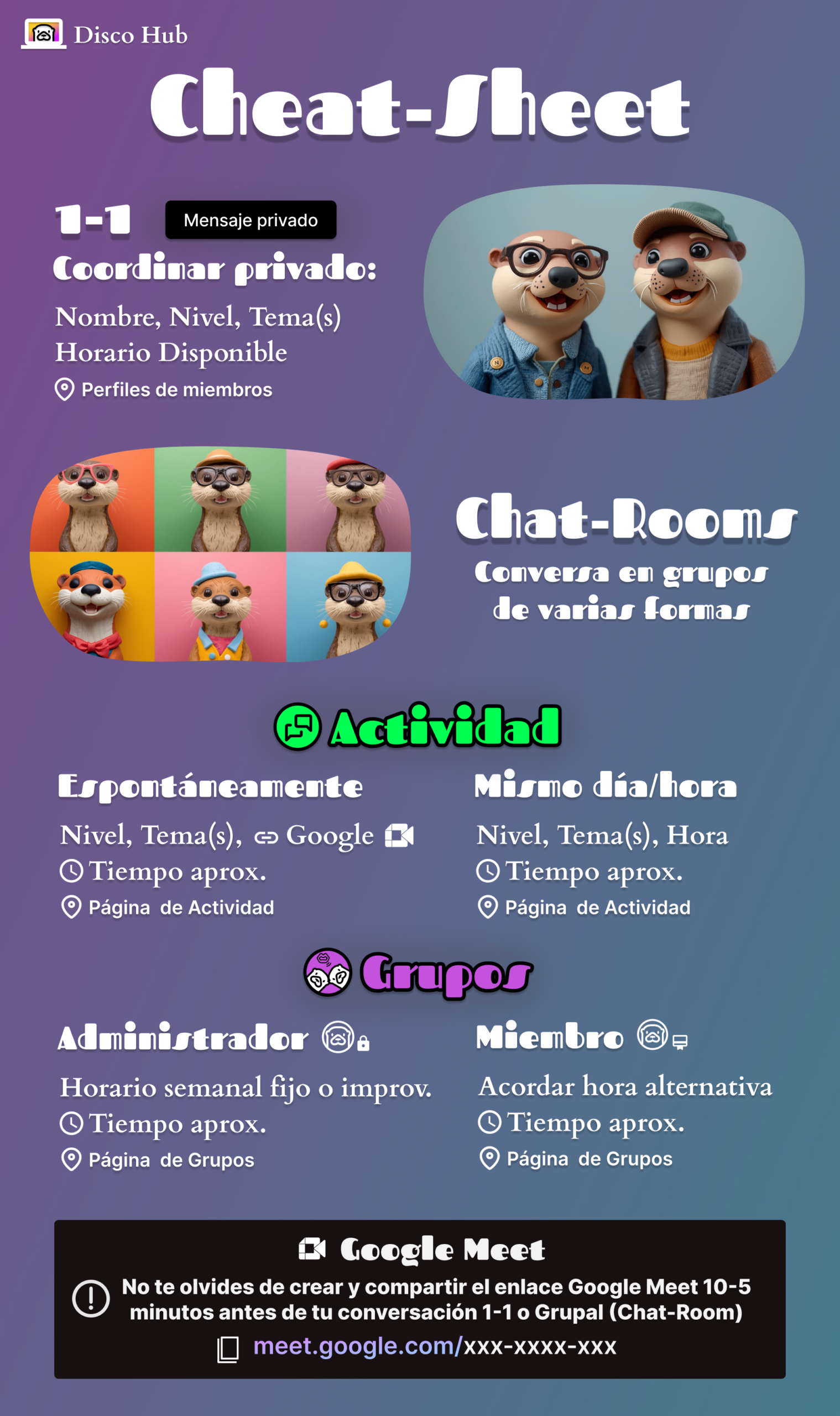
Disco Hub video call process Cheat-Sheet
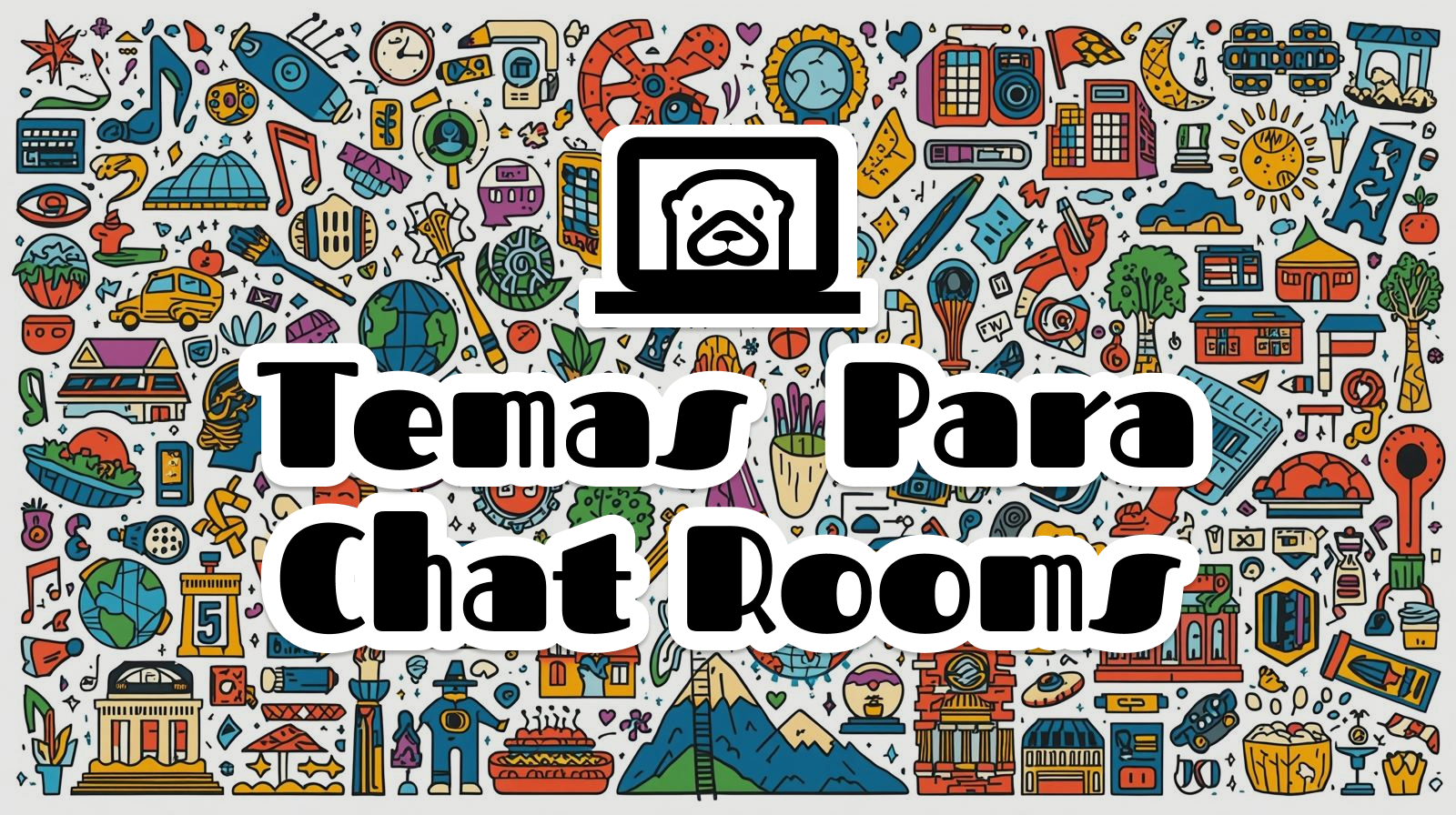
Chat-Rooms Suporting Material
The concept of Chat-Rooms has a nostalgia component to it, as it is inspired by the instant messaging chatrooms of the early internet years. However, its purpose is academic.
The idea is to guide conversations divided into topics and themes. This provides students with a focus and a goal for conversations as well as building the lexicon and jargon required to communicating successfully in a given area.




The Store
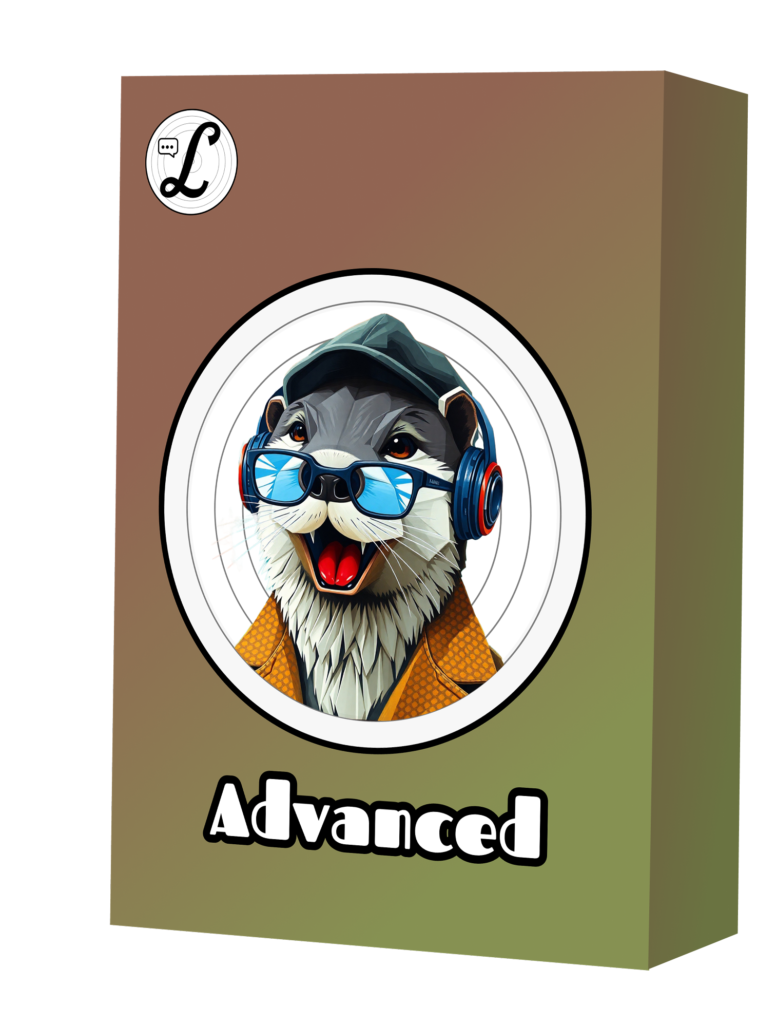
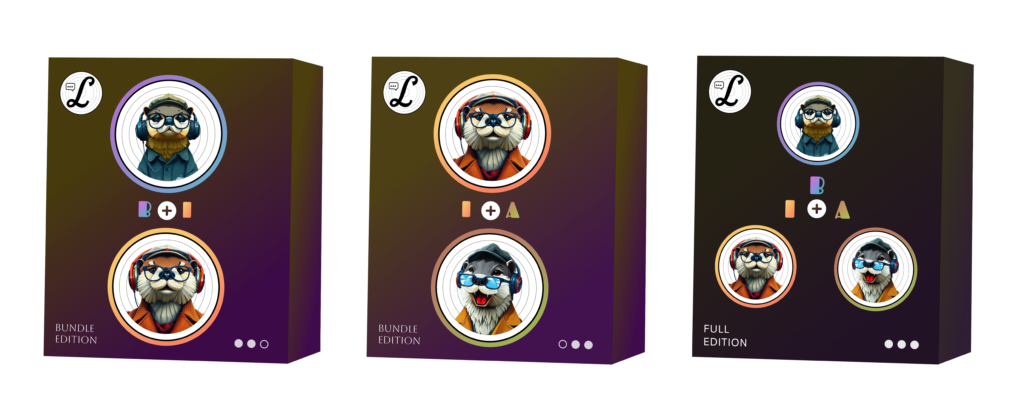
The store is a sequential flow were users are informed about the terms and conditions, code of conduct for Language Disco communities and other terms and conditions as well as a summary of what each course levels includes.
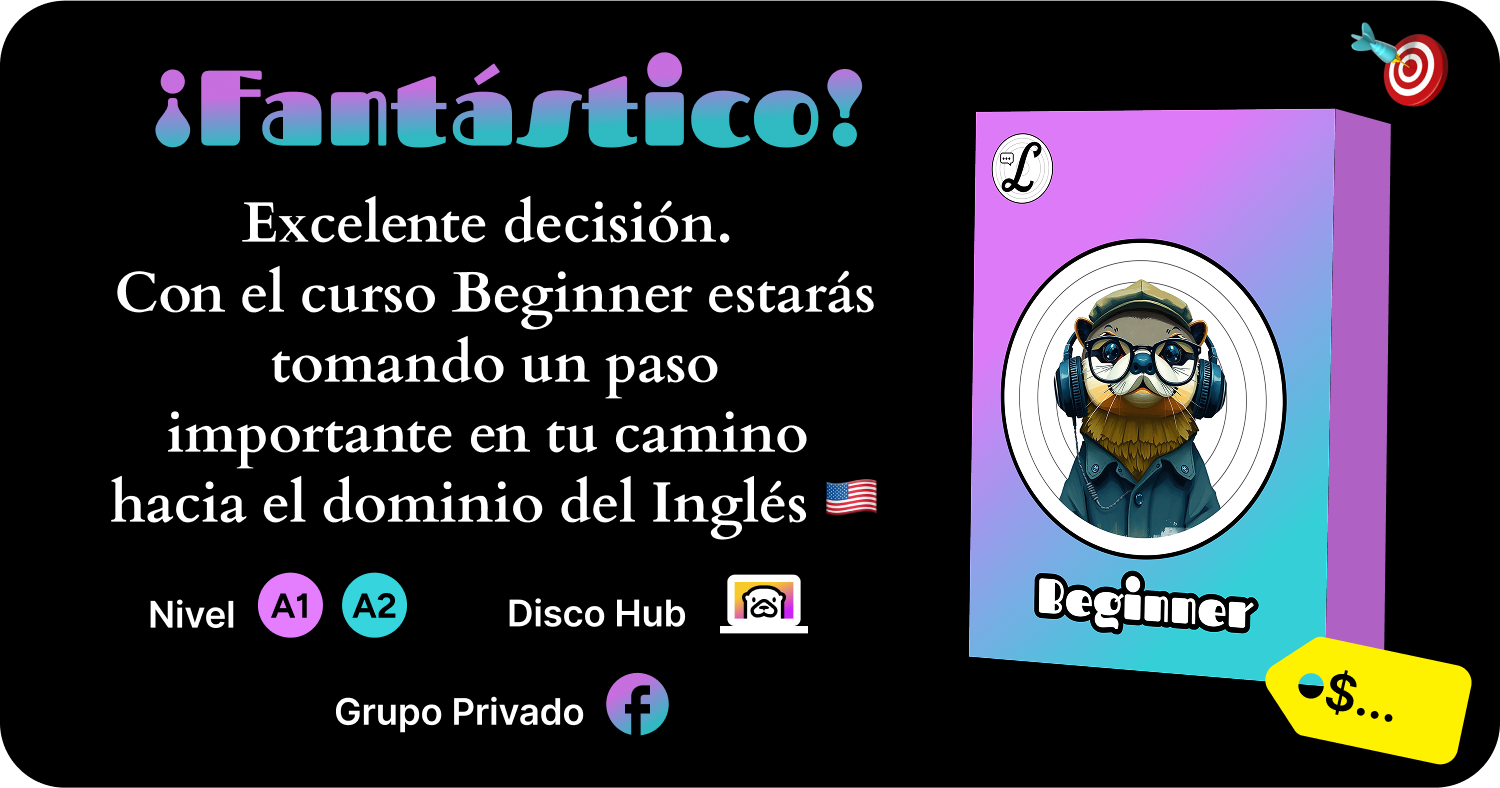
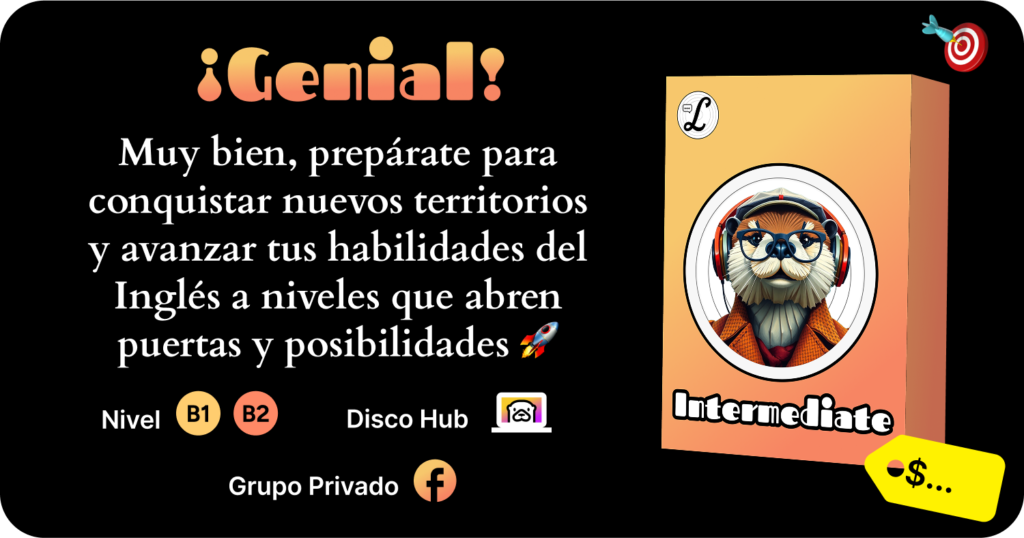
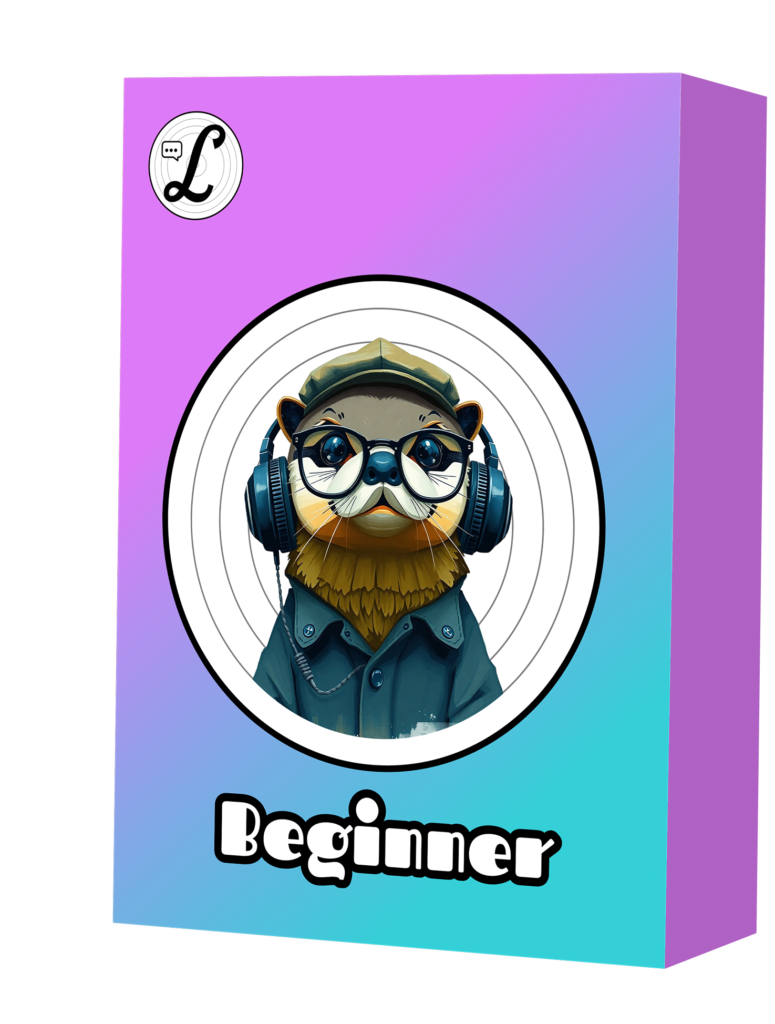
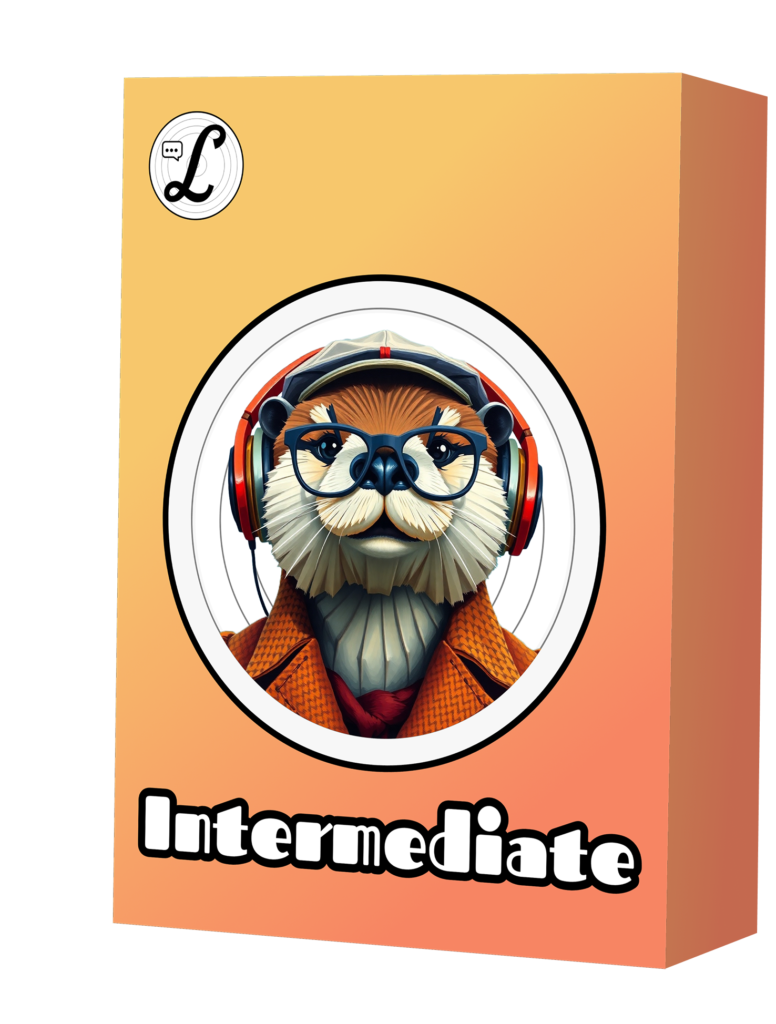
Course Level Boxes

Weekly English
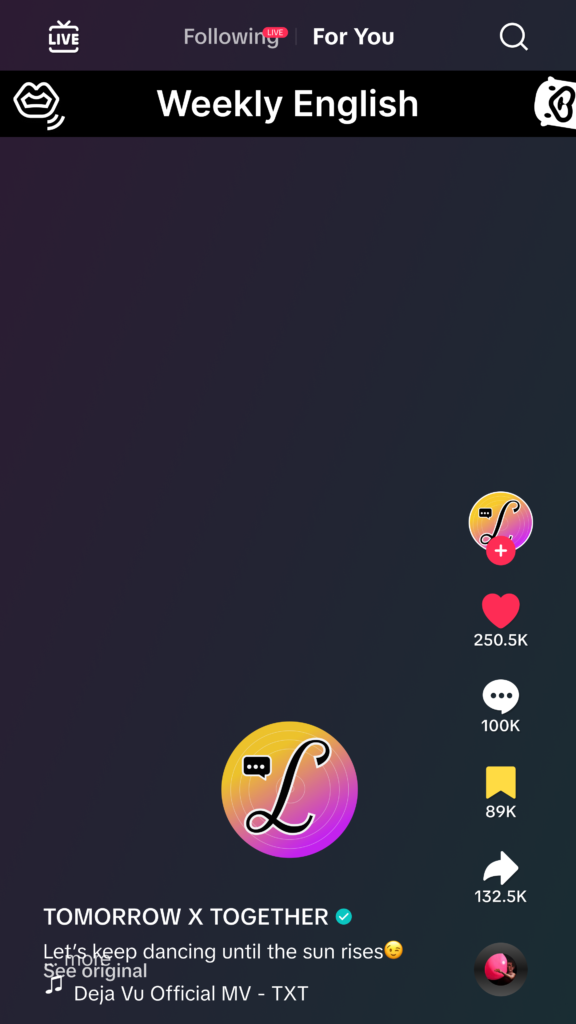
Weekly English is a free source for all Language Disco students and the public where they can learn about terms and expressions that are used by native speakers in the real world and that are not traditionally taught in many English Schools. This is an important component of the project which aligns to Language Disco’s mission of not just teaching English skills but to provide students with a native level of English.

2 Factor Authentication
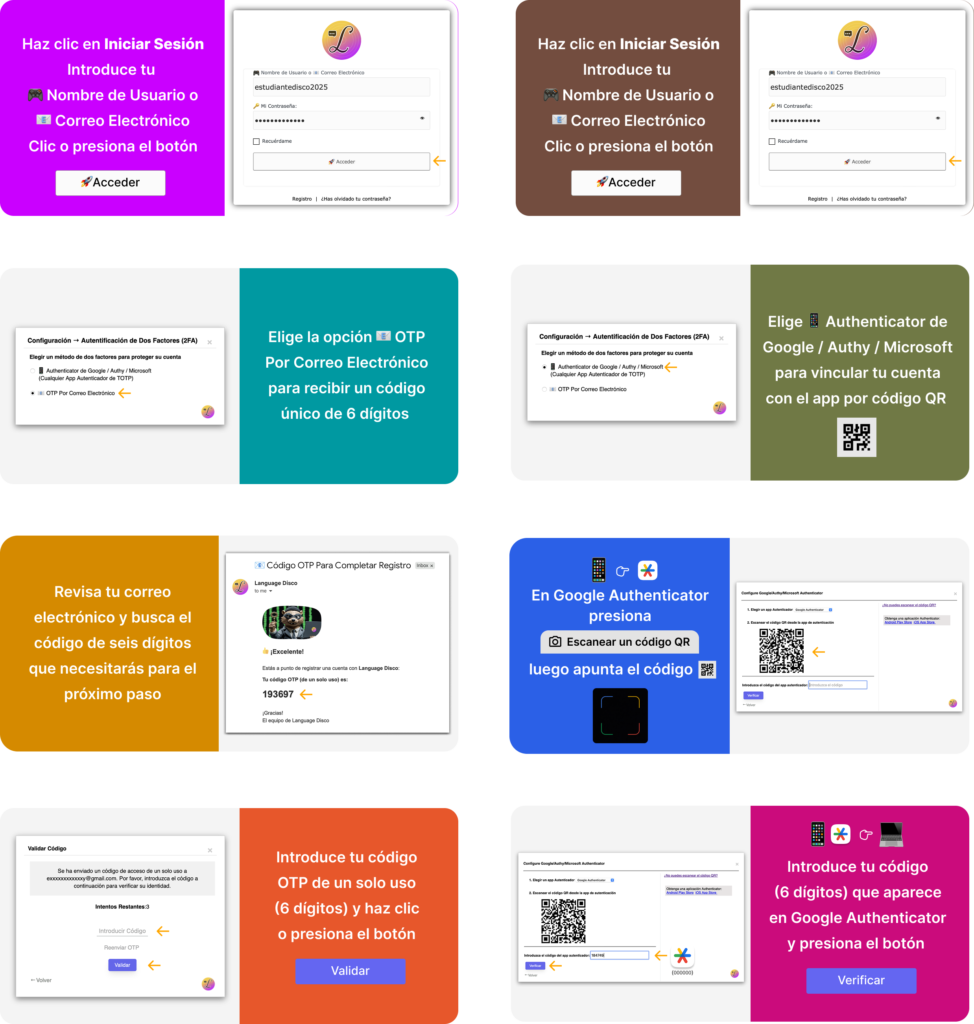
In order to keep the platform secure, protect users personal data and accounts safe a two factor autentication security feature was implemented.
A visual guide was created two support users in seeting up either one of the two options: Authenticator App or OTP over email. A video tutorial was created and introduced whithin the sign up process confirmation page and automated welcome email.

Affiliate Program
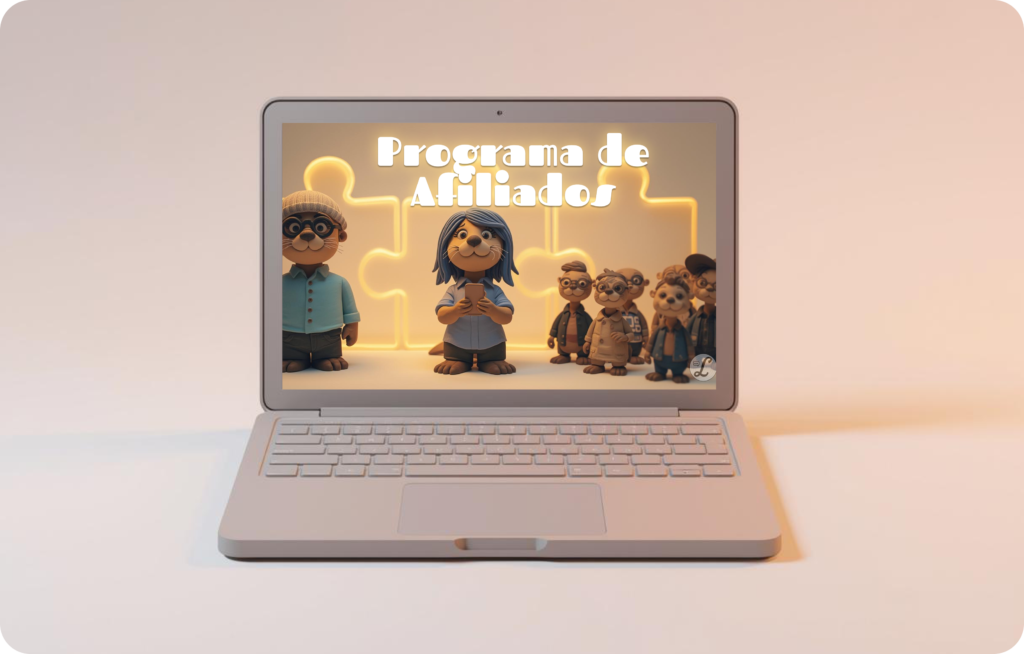
One of Language Disco’s core values is its community, and this includes its Affiliate Program strategy. This program provides Content Creators, Youtubers, Content Marketers, Podcasters or anyone with a suitable audience to become an affiliate, gaining free access to the courses while generating income from the program.
This is a win-win program that enables Language Disco to grow organically, securing its mission to reach and transform as many people’s English stories and lives with its mission.
The Affiliate Section
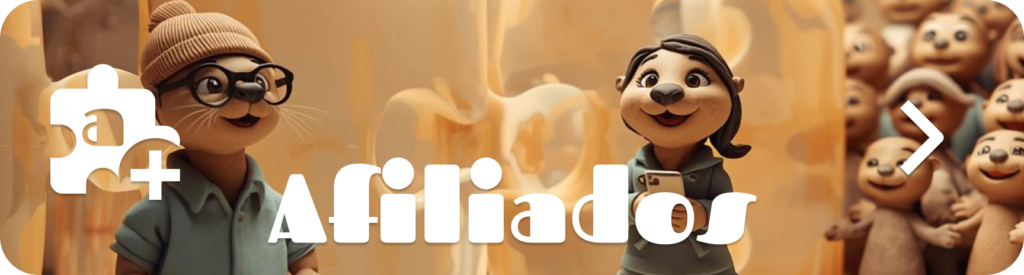
Each affiliate has a section enabled within their account (“Mi Cuenta”). In this page they will have key information available like their Affiliate ID and customs URLs they will need to promote and funnel their audience to their custom store at Language Disco. They also get access to their Digitial Kit with all the informations, guideliness and digital assets they’ll need for their content and promotions.

Guideliness for Affiliates
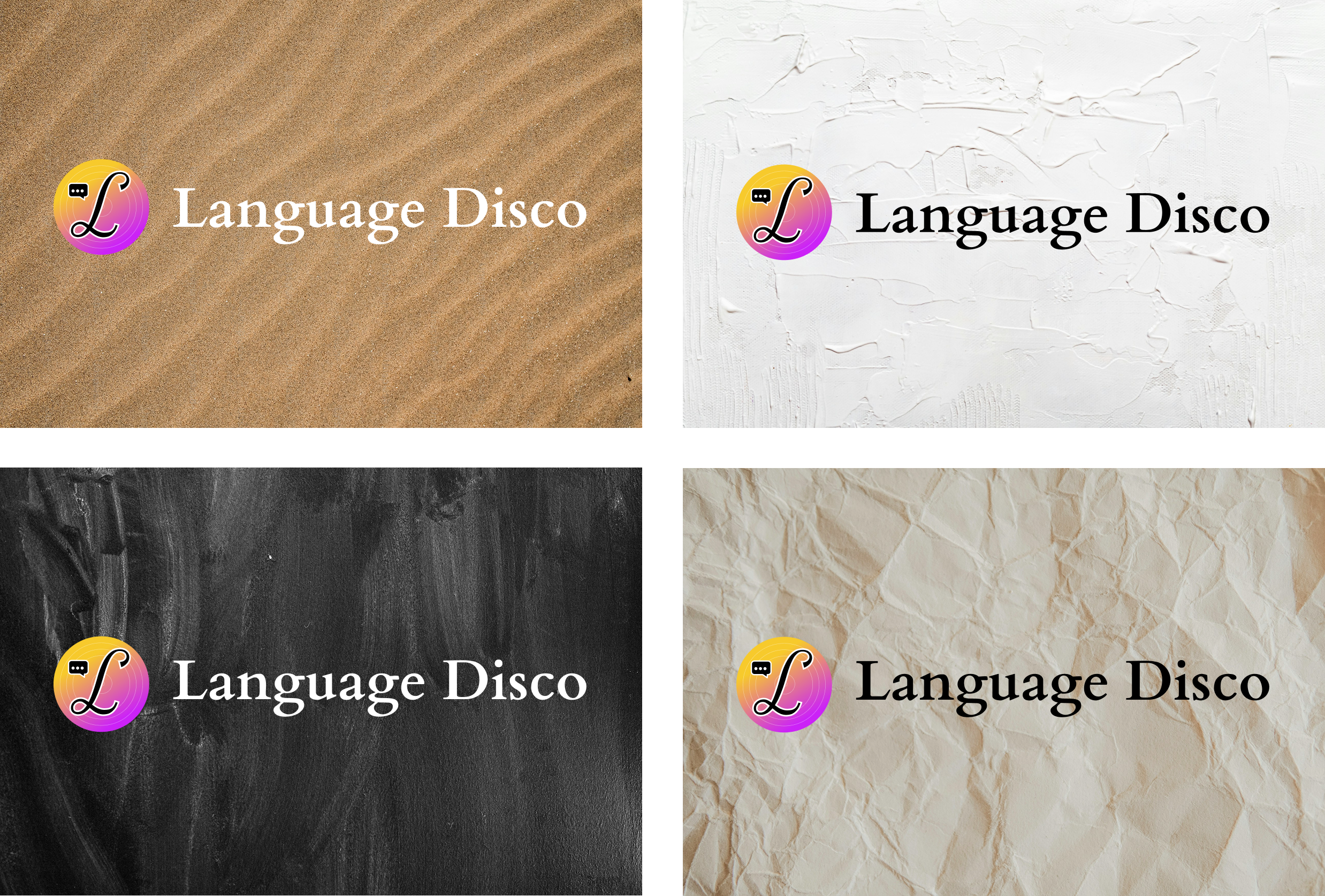
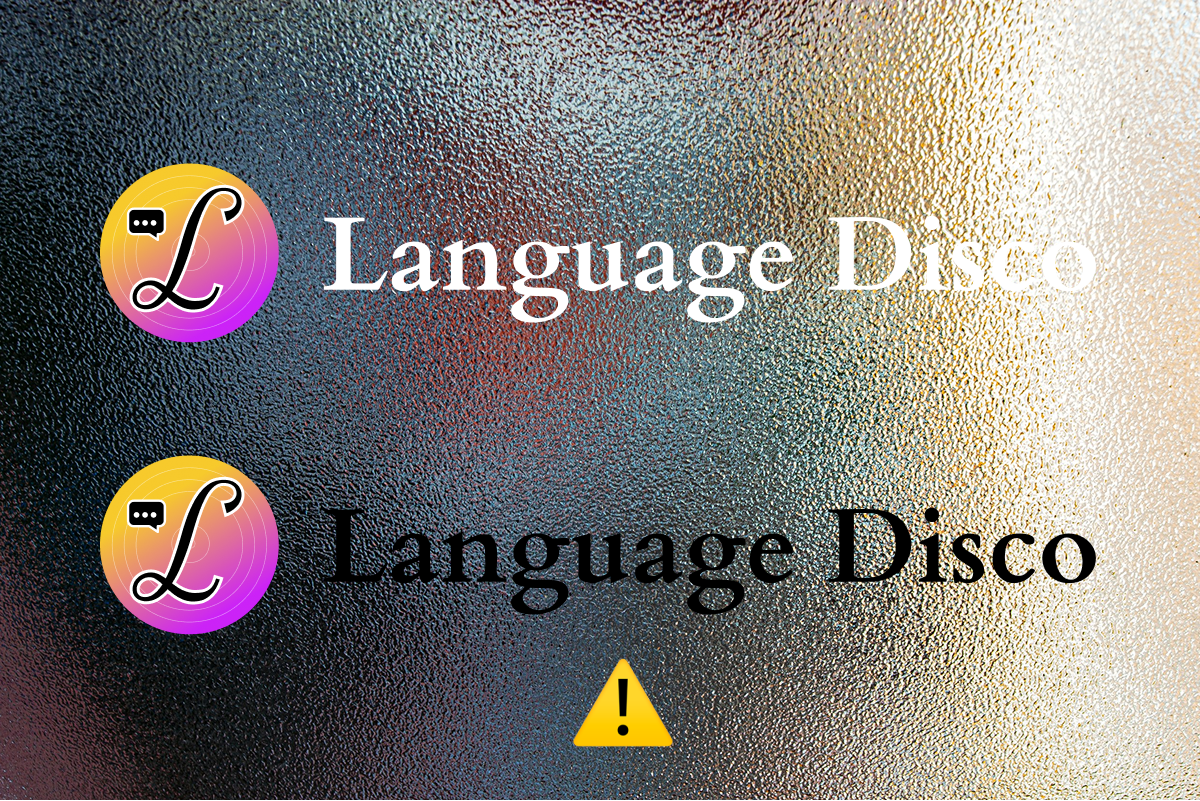
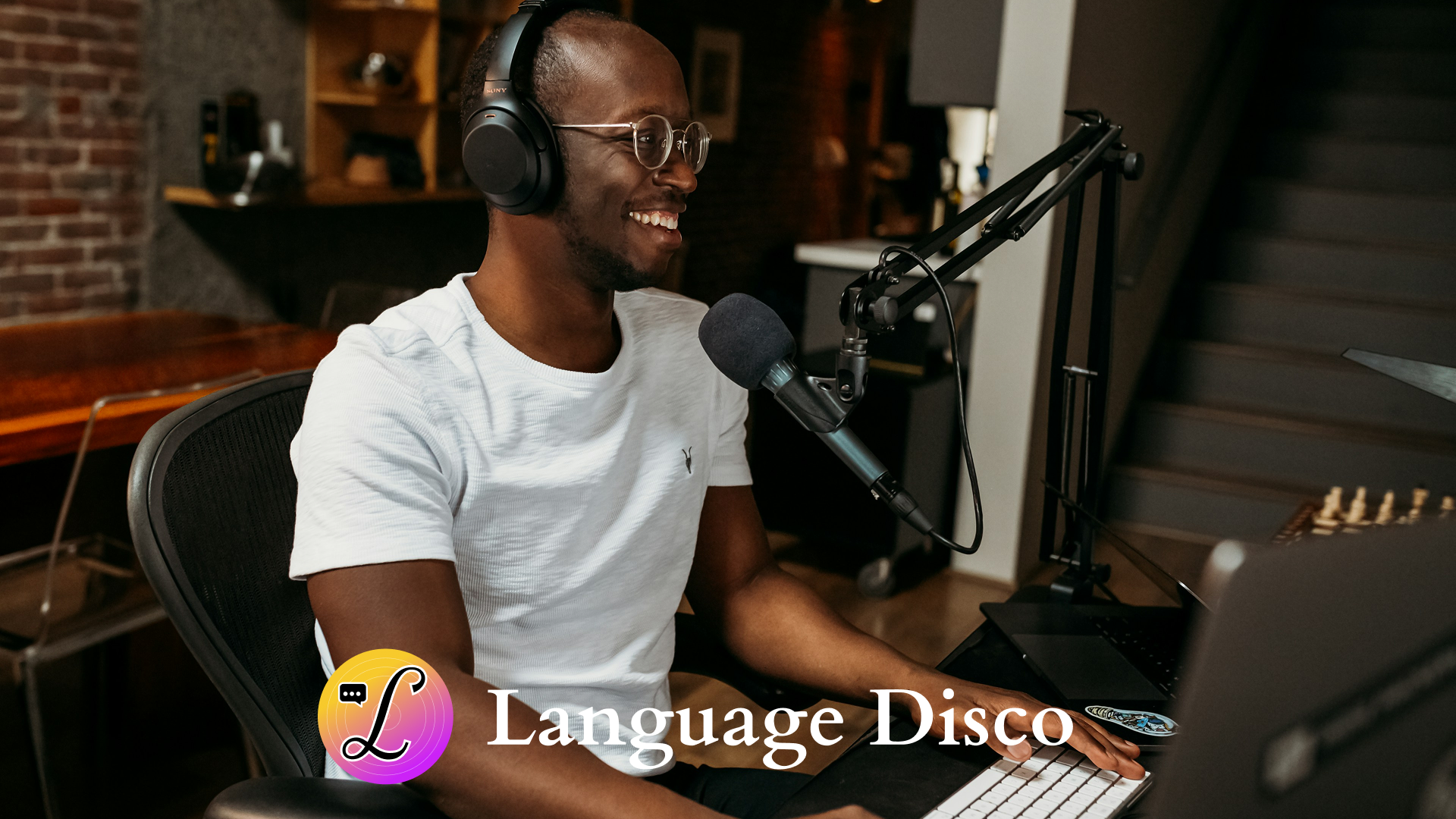
A concise, comprehensive guide was created for affiliates to clearly define Language Disco’s tone, language, and brand messaging, ensuring consistency while allowing affiliates to express the brand authentically in their own voice. The following images just focus on the visual guideliness of the guide.

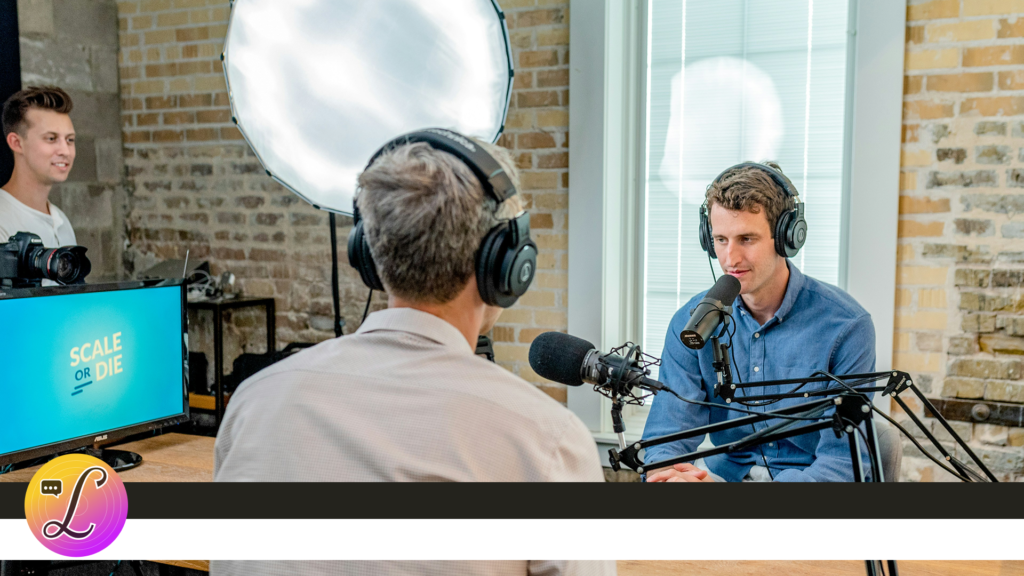
Video Formats
16:9 Format
Vertical Format
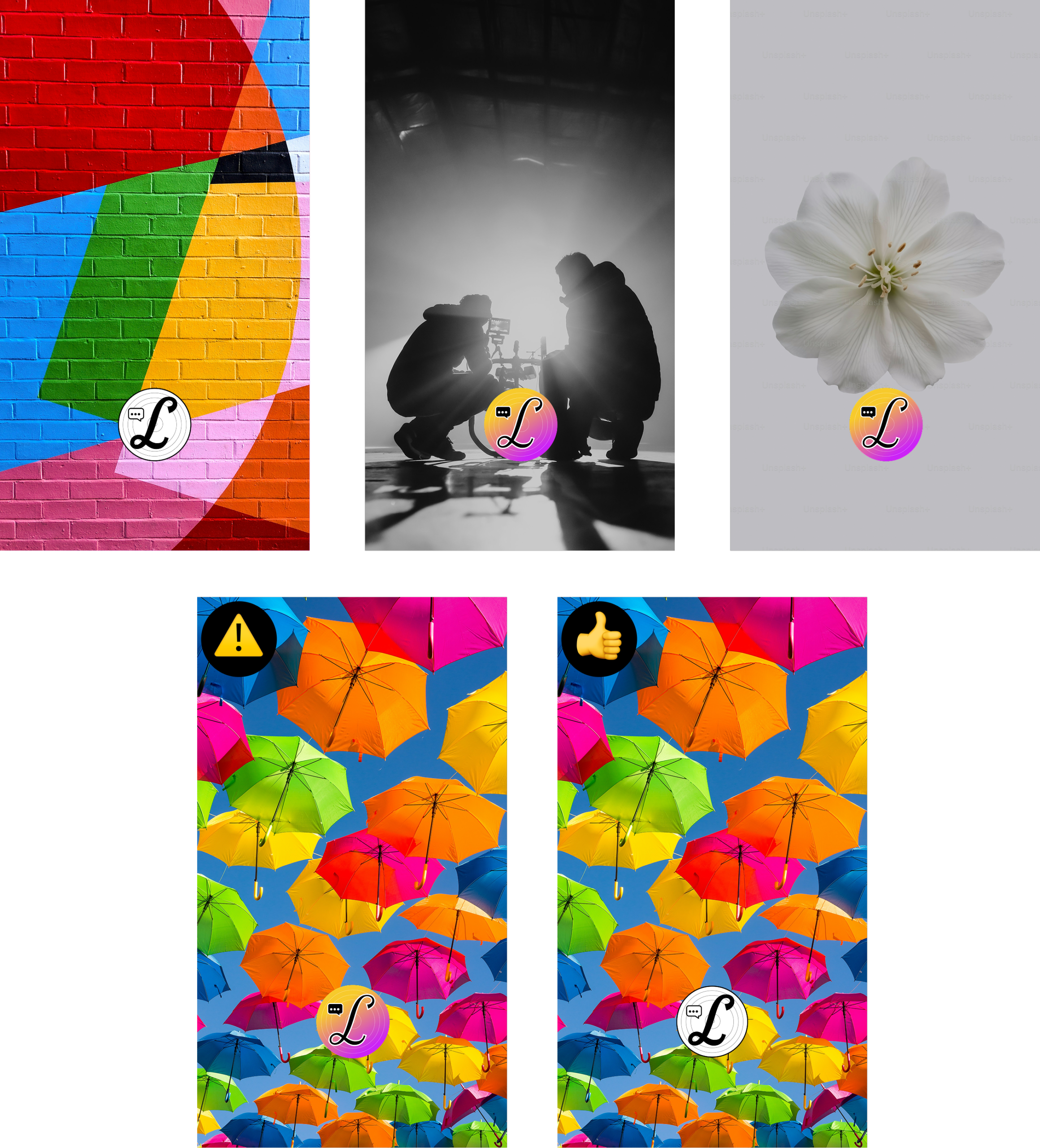
Social Media Assets
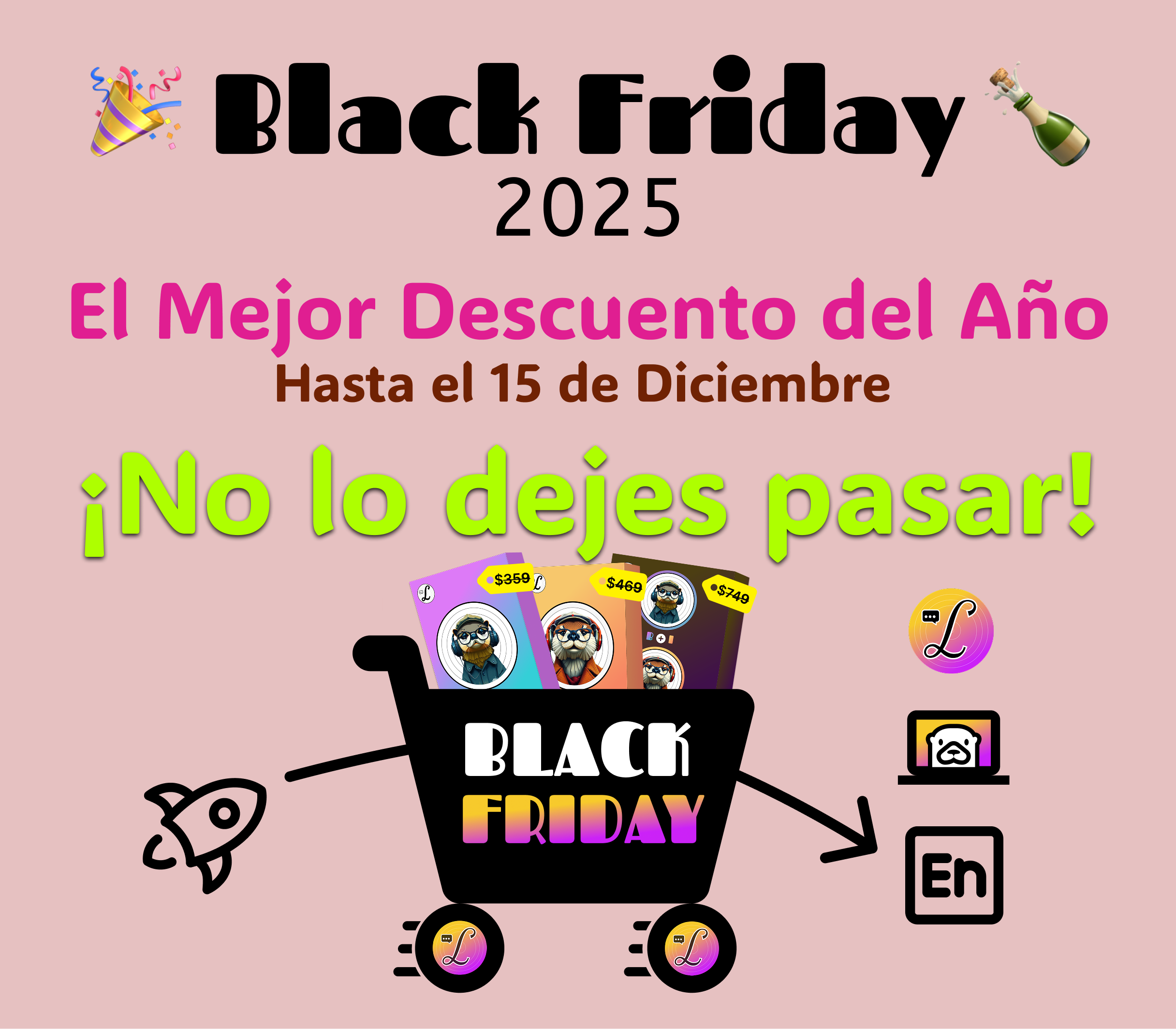
To finish this Project Showcase we have the first advertisement for the platform and a banner for YouTube, thank you so much for taking a look at the project, looking forward to hear from you!